Clinical Cases
Fracture Repairs | TPLO | TTA | Arthrodesis | Corrective Osteotomy | Reconstructions
See our plates in action →Mechanical Testing
1 Tandem Fatigue Tester
Developed by OsteoCertus
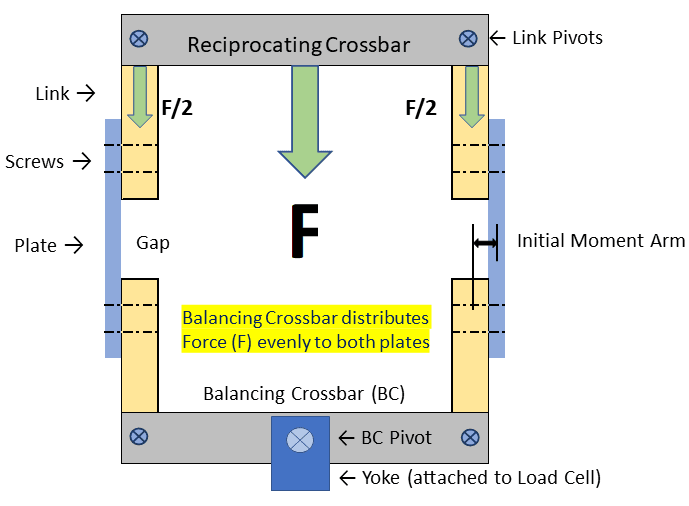
The Tandem Fatigue Test was designed to compare the performance in flexibility and resistance between two plates, simulating the Gap of a bone fracture and the force exerted by the weight of a moving animal.
Advantages
1. Axial loading: The tester applies an axial force, to compare the specimens under the stated test conditions.
2. The screws are involved: The plate can be held with the screws of the system, exposing them to shear forces.
3. Fixture-Induced failures are minimized: Failure is likely to occur at either: (a) The Gap. Away from the Links. (b) The weakest point of the plate-screw system near the Gap.
Comparisons
4-Point Bend and Eccentric Compression
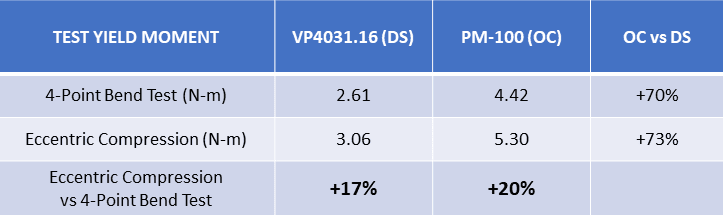
The Eccentric Compression test produces a higher Yield Moment than the 4-Point Bend test because the compressive force counteracts the bending moment on the plate.
The two methods use different loading configurations; interpret results in the context of each test setup.
Two Standard Plates (Tandem Fatigue Tester – Comparison)
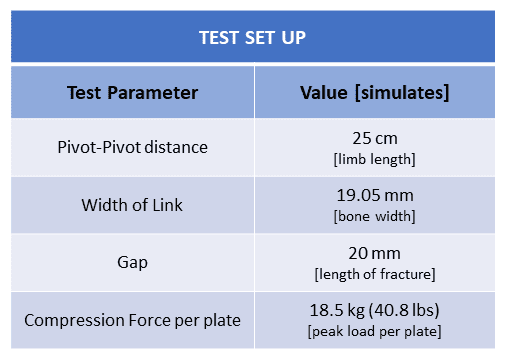
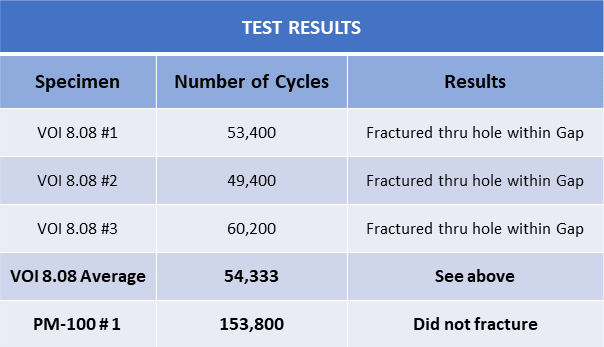

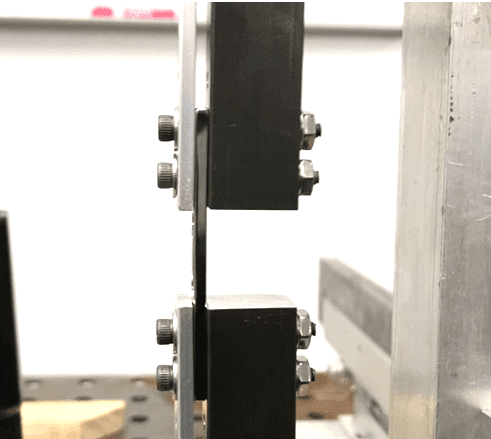
Note: This test focuses on plate performance. Thus, system screws were not used. The plate is “protected” from breaking outside the Gap.
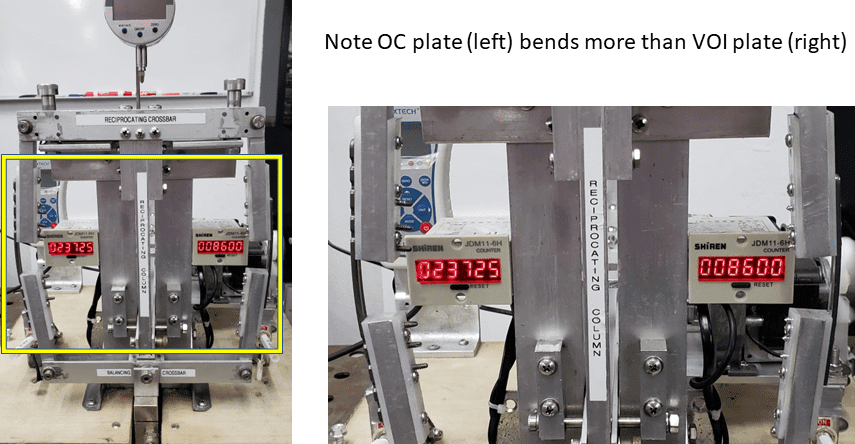
Two Bridge Plates (Tandem Fatigue Tester – Comparison)
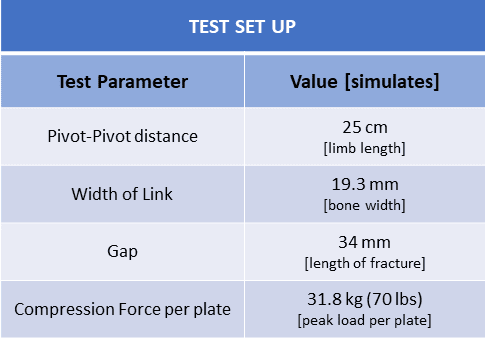
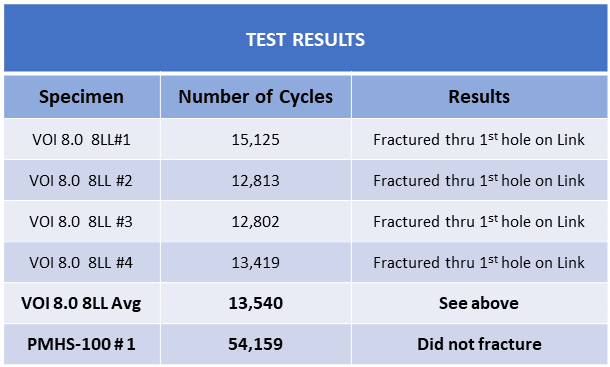
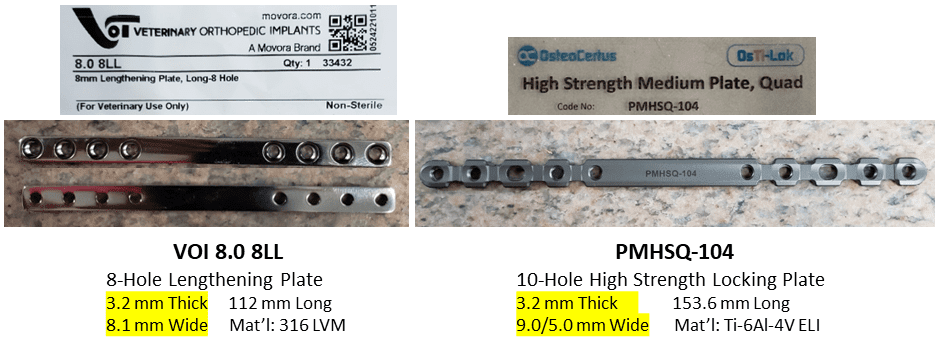
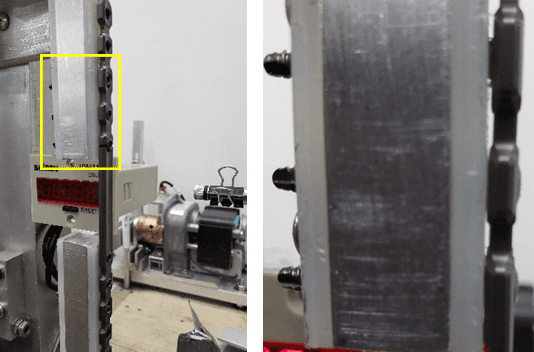
Note: This test involves the plate-screw construct. The system screws were threaded into 3.3 mm hard plastic to simulate the cortex.
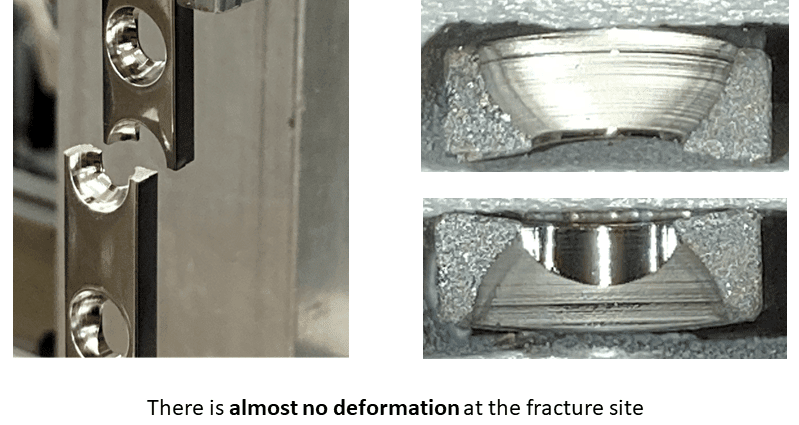
Typical Fatigue Fractures

2 Screw Shaft Torque Test
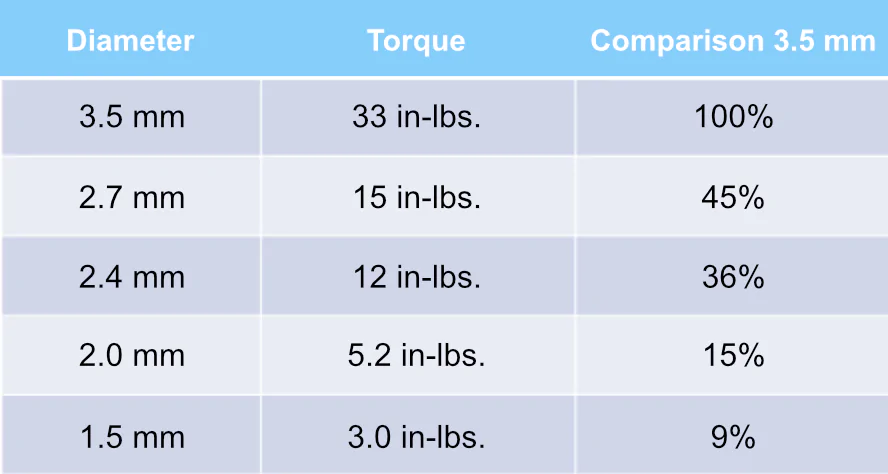
The Screw Shaft Torque Test measures the torque capacity of OsTi-Lok Screws in pure torsion (with zero axial load). The table shows the maximum torque for each screw diameter and the relative torque using the 3.5mm Screw as the benchmark. The table presents the reported test results.

3 Four-Point Bend Test
Test Method
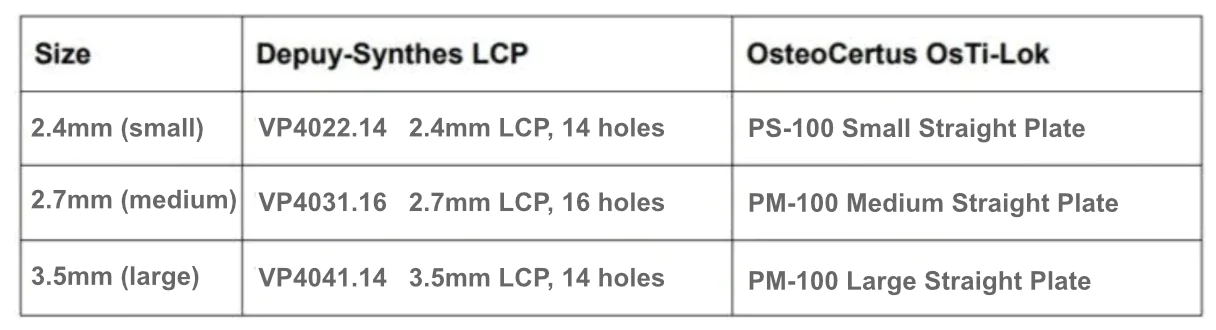
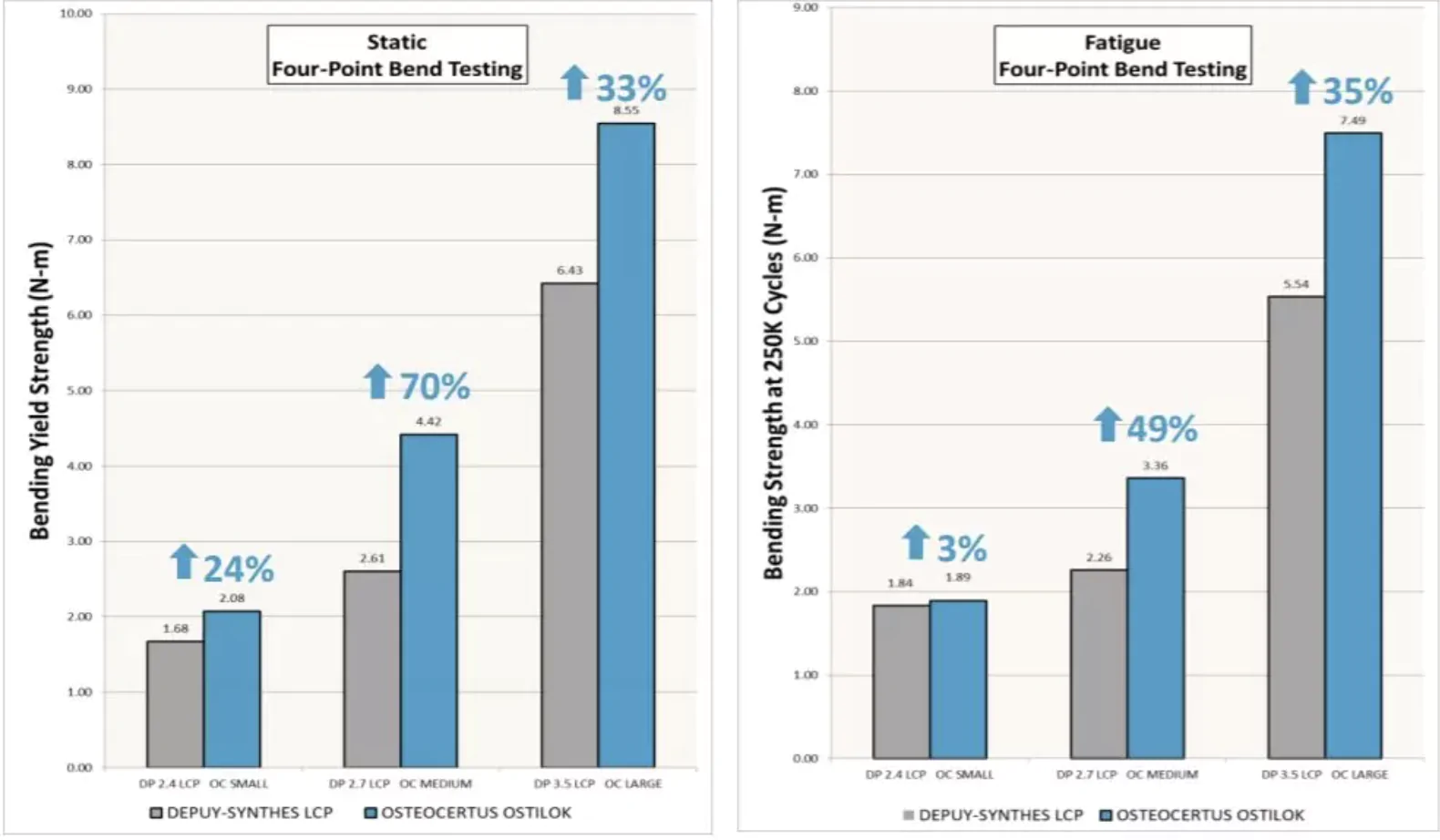
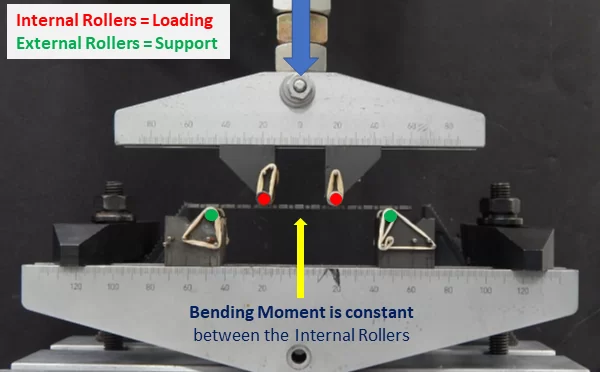
Static and Dynamic Four-Point Bend Test per ASTM F382-14.

4 Safe Bending Range